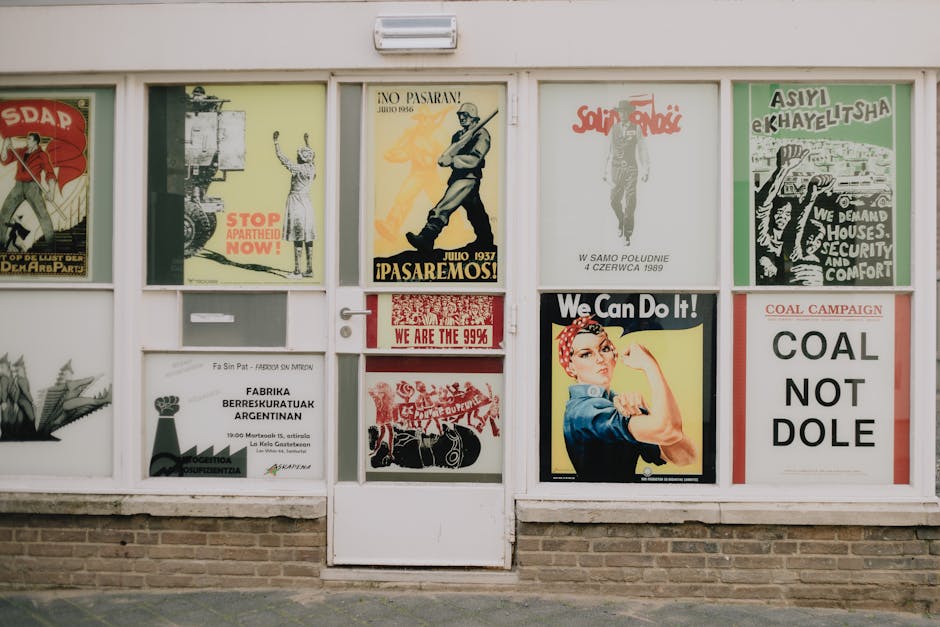
In the tumultuous landscape of the Middle East, where tensions are as ancient as the civilizations that once thrived there, the current conflict between Iran and the American-Israeli forces has taken a turn that transcends mere military confrontation. Indeed, while missiles and drones streak across the sky, another battle is being waged on the communication front: the battle of propaganda.
For 23 days, hostilities have reached a critical level. American and Israeli forces have conducted targeted strikes on Iranian military infrastructure, notably destroying a significant portion of their missile arsenal. In response, Iran has launched missile and drone attacks on southern Israel, including near the Dimona nuclear site. Each side claims victory, but what does "winning" truly mean in such a context?
Ali Khamenei, Iran's Supreme Leader, declared that "Iran is winning," a statement that, while provocative, must be analyzed through the lens of communication strategy. On the other side, American and Israeli officials claim to have "degraded portions of Iran's military and naval power." These statements, reported by abplive, are not merely bravado; they are tools of psychological warfare, intended to influence not only international public opinion but also the morale of troops and citizens of each nation.
Read more: london transforms basesModern warfare is no longer confined to the battlefield. It also unfolds in the media, on social networks, and in minds. Declarations of victory, whether founded or not, serve to galvanize internal support and sow doubt in the adversary. In a world where information travels at the speed of light, controlling the narrative has become as crucial as controlling territory.
However, this war of words raises important questions. Who truly benefits from these declarations? For Iran, presenting itself as victorious against military powers like the United States and Israel is a way to bolster its regional position and rally its allies. For the United States and Israel, demonstrating their ability to weaken Iran is essential to maintaining their credibility and influence in the region.
But beyond the declarations, the reality on the ground remains complex and dangerous. The Strait of Hormuz, for example, a critical chokepoint for global oil transport, remains a potential flashpoint. Any escalation could have global economic repercussions, adding another layer of complexity to the situation.
Ultimately, the question is not so much about who is right in their victory claims, but rather how these declarations shape the perception of the conflict. In this context, propaganda is not merely a tool of manipulation; it has become a strategic weapon in its own right.
As the world watches, it is crucial not to be blinded by the bombastic declarations of each side. Read more: zelensky plays geopolitical The analysis of facts, figures, and potential consequences must take precedence over triumphalist rhetoric. For while the war of words may influence perceptions in the short term, it is the geopolitical and human realities that will determine the long-term outcome.
In this theater of shadows and lights, it is essential to remember that true victory does not lie in destruction or domination, but in the ability to build a lasting peace. A peace that, hopefully, can one day emerge from the ashes of these relentless conflicts.
Frequently Asked Questions
Q: What is the current conflict between Iran and American-Israeli forces about?
The conflict involves military confrontations where American and Israeli forces have targeted Iranian military infrastructure, while Iran has retaliated with missile and drone attacks. This situation has escalated over 23 days, highlighting both military and propaganda battles.
Q: How does propaganda play a role in the Middle East conflict?
Propaganda is used by both sides to influence public opinion and morale. Statements of victory from leaders like Iran's Supreme Leader Ali Khamenei serve to bolster internal support and challenge the adversary's narrative.
Q: What are the implications of controlling the narrative in modern warfare?
Controlling the narrative is as crucial as controlling territory in modern warfare. Declarations of victory can galvanize support within a nation and create doubt in the opposing side, making information warfare a key component of contemporary conflicts.