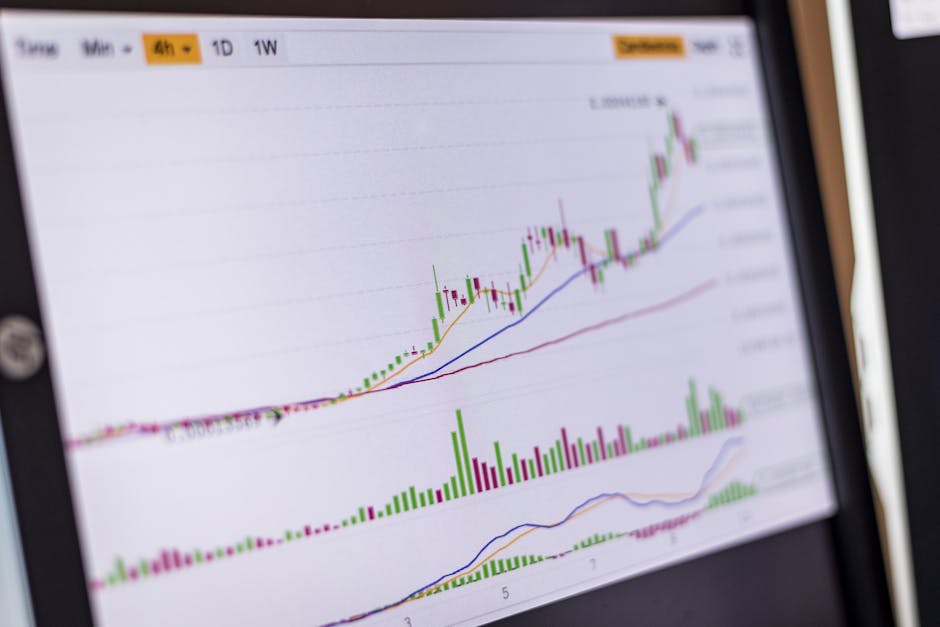
It's 8:52 AM in Paris, and in one hour European markets will open their doors to panic. While Abu Dhabi wraps up its morning session (closing at 2:00 PM local time), European investors are already bracing for the worst, according to CNBC. The reason? Iran and oil, yet again.
This predictable reaction from European stock exchanges to Middle Eastern tremors reveals an embarrassing truth: after fifteen years of Green Deal, green taxonomy, and grand speeches about energy sovereignty, Europe remains pathetically dependent on the geopolitical moods of the Persian Gulf.
Energy Stockholm Syndrome
Read more: europe plays energyWhen tensions rise around Iran, trading algorithms don't ask questions: they sell first, think later. Read more: pentagon plays hideandseek This well-oiled mechanism transforms every Middle Eastern crisis into a European stock market earthquake, creating a vicious cycle where fear of shortage generates more volatility than the shortage itself.
The irony is delicious. While Tokyo will close its doors at 3:00 PM (local time) after a session probably rattled by the same oil concerns, and New York won't open until 9:30 AM (local time) to digest European reactions, Europe once again finds itself in the role of the weak link. Caught between Asia closing and America still sleeping, it alone absorbs the geopolitical shocks of the night.
The Numbers of Dependence
Markets don't lie. When crude jumps 3% on an Iranian rumor, European indices mechanically lose 1 to 2%. This near-perfect correlation demonstrates that despite all green investments, the European economy remains structurally tied to hydrocarbons.
According to data I've been tracking for years, Europe still imports 60% of its energy. Worse: this dependence has actually increased since 2022 and the war in Ukraine, forcing the EU to diversify its supplies toward regions that are even more politically unstable.
The Hypocrisy of "Rational Markets"
What strikes me in this umpteenth crisis is the willful blindness of mainstream analysts. They continue talking about "rational market reaction" to "geopolitical fundamentals." Translation: investors panic because they still haven't understood that their economic model rests on quicksand.
After all, what are we talking about? Iran represents less than 4% of global oil production. Its exports are already largely sanctioned. But it's enough for Tehran to sneeze for Frankfurt and Paris to catch the flu. This disproportion reveals a European financial system still prisoner to energy reflexes from another century.
The Time Zone of Fear
The most revealing aspect of this crisis is its timing. While the United Arab Emirates calmly finish their session (Abu Dhabi closes at 2:00 PM local time), Europe prepares to open in feverishness. This time lag creates a perverse informational asymmetry: Gulf markets, though at the heart of the problem, have already integrated the news, while Europe discovers the tensions upon waking.
Result: European stock exchanges systematically overreact, creating artificial volatility that enriches high-frequency traders and impoverishes long-term investors. When London opens at 8:00 AM (local time), then Paris and Frankfurt at 9:00 AM, they'll discover prices already distorted by overnight anticipations.
Europe, Eternal Spectator
This dependence on oil tremors reveals a deeper problem: Europe has never really taken its energy destiny in hand. It suffers crises instead of anticipating them, reacts instead of acting.
While the United States develops its energy independence through shale gas (even if it means destroying their environment), and China invests massively in renewables (while continuing to burn coal), Europe navigates by sight between its ecological contradictions and economic needs.
The Real Question
The question isn't whether European markets will fall this Thursday morning. They will fall, it's written in advance. The real question is: how many more oil crises will it take for Europe to understand that its "energy transition" is just a slogan as long as it remains dependent on Middle Eastern geopolitical whims?
When New York opens at 9:30 AM (local time), or 3:30 PM in Paris, American investors will probably discover European markets in decline. They might buy at good prices, once again profiting from European nervousness. Because unlike Europe, America understood long ago that in energy geopolitics, it's better to be the dealer than the client.
Europe will continue trembling at every Iranian tremor as long as it lacks the courage of its green ambitions. Meanwhile, traders get rich on its fear, and European citizens pay the bill for this dependence in their wallets and at the pump.
Frequently Asked Questions
Q: Why are European stock markets reacting to Middle Eastern oil?
European stock markets are highly sensitive to geopolitical tensions in the Middle East, particularly concerning Iran. When rumors or crises arise, trading algorithms trigger sell-offs, leading to significant market volatility.
Q: How dependent is Europe on Middle Eastern oil?
Europe remains heavily dependent on Middle Eastern oil, importing about 60% of its energy. This dependence has reportedly increased since 2022, despite efforts to transition to greener energy sources.
Q: What impact do oil price fluctuations have on European markets?
Fluctuations in oil prices, such as a 3% increase due to Iranian rumors, can lead to a corresponding loss of 1 to 2% in European stock indices. This correlation highlights the ongoing vulnerability of European markets to oil price changes.