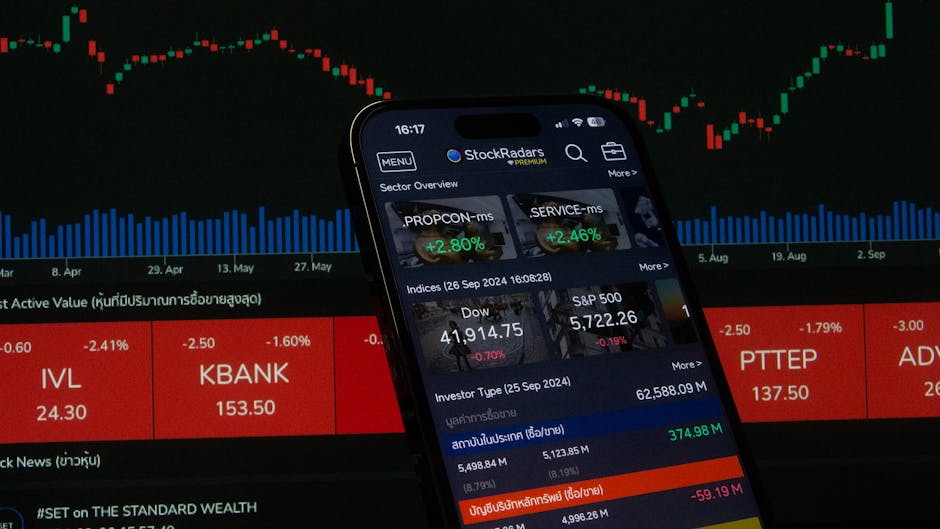
At 11:32 AM this Thursday, while Wall Street is still digesting the morning opening, oil prices continue their dizzying ascent. Read more: iran exposes criminal Read more: iran plays fire The reason? Iran has just paralyzed the Strait of Hormuz, creating what the International Energy Agency calls "the largest oil disruption ever recorded." But behind this geopolitical crisis lies an economic truth no one wants to acknowledge: the real winners are neither in Tehran nor Washington.
The Strait Worth Its Weight in Gold
When 20% of the world's oil can no longer transit through a 34-kilometer-wide bottleneck, the laws of supply and demand brutally reassert themselves. The tankers immobilized in the Persian Gulf aren't just a geopolitical symbol—they represent a colossal financial windfall for anyone who still has crude to sell elsewhere.
U.S. Energy Secretary Wright may call the situation the "greatest oil disruption in history," but he carefully omits to specify who profits from it. While Europeans watch their energy bills explode as continental markets close (5:32 PM in Paris and Frankfurt), American oil majors are raking in exceptional profits on the still-open markets of New York and Toronto.
The Arithmetic of Chaos
The numbers are implacable. Each day the Strait of Hormuz remains blocked represents roughly 21 million barrels that don't reach their destinations. This artificial scarcity—since global reserves remain technically sufficient—allows non-Iranian producers to sell their oil at crisis prices.
ExxonMobil, Chevron, Shell: their stocks soar while European and Asian consumers foot the bill. When Tokyo reopens tomorrow morning at 9:00 AM (local time), Japanese energy indices should continue to surge, feeding this speculative spiral.
The irony is striking: Iran, in attempting to harm the Western economy, is offering Western oil companies their best quarters in years. Economic sanctions transform into disguised subsidies for energy giants.
The Geopolitics of Profit
This crisis reveals the fundamental hypocrisy of the global energy system. For decades, Western governments have claimed to diversify their supplies to reduce dependence on the Middle East. Result: when crisis strikes, it's the same multinationals that pocket the profits from scarcity.
American and European strategic reserves could theoretically compensate for part of the disruption. But releasing them massively would crash prices, depriving domestic producers of this windfall. "Energy security" thus becomes an arbitrage between geopolitics and private profits.
While analysts in London (markets closed since 4:30 PM) calculate the impact on European inflation, their Wall Street counterparts count the exceptional dividends to come. This temporal asymmetry between financial centers amplifies volatility: each market closure freezes positions, each opening relaunches speculation.
Inflation by Proxy
Because this is indeed about inflation. When the barrel price soars, it's not ExxonMobil shareholders who pay the final bill. It's European motorists, Asian industrialists, global airlines. Iran thus succeeds, by ricochet, in indirectly taxing the Western economy.
This "Iranian tax" on global energy perfectly illustrates the perverse interconnection of globalized markets. A geopolitical decision made in Tehran immediately translates into wealth transfers toward Houston, Calgary, or Aberdeen. End consumers have no choice but to endure.
The Dependency Trap
The paralysis of the Strait of Hormuz demonstrates the failure of Western energy policies over the past twenty years. Despite rhetoric about energy transition and diversification, the global economy remains hostage to a few strategic chokepoints.
When Abu Dhabi reopens its markets tomorrow at 10:00 AM (local time), Emirati investors will have a privileged view of this geopolitical reshuffling of energy cards. Their Iranian neighbors will have succeeded, paradoxically, in enriching their regional and Western competitors.
This crisis reveals a disturbing truth: in the globalized oil economy, there are no "good" or "bad" actors. There are only intermediaries who profit from chaos, consumers who pay the bill, and governments who look the other way when their national champions pocket crisis profits.
Iran just handed Western oil companies the most beautiful gift of the decade. They certainly won't refuse it.
Frequently Asked Questions
Q: Why is the Strait of Hormuz significant for oil prices?
The Strait of Hormuz is a crucial chokepoint through which 20% of the world's oil transits. Its blockage leads to significant supply disruptions, causing oil prices to surge due to the laws of supply and demand.
Q: How are American oil companies benefiting from the situation in Iran?
American oil majors like ExxonMobil, Chevron, and Shell are experiencing exceptional profits as they sell oil at crisis prices in markets that remain open. This financial windfall occurs while European and Asian consumers face skyrocketing energy bills due to the disruption.
Q: What impact does the blockage of the Strait of Hormuz have on global oil supply?
The blockage prevents approximately 21 million barrels of oil from reaching their destinations each day, creating an artificial scarcity. Despite sufficient global reserves, this disruption allows non-Iranian producers to capitalize on higher prices.