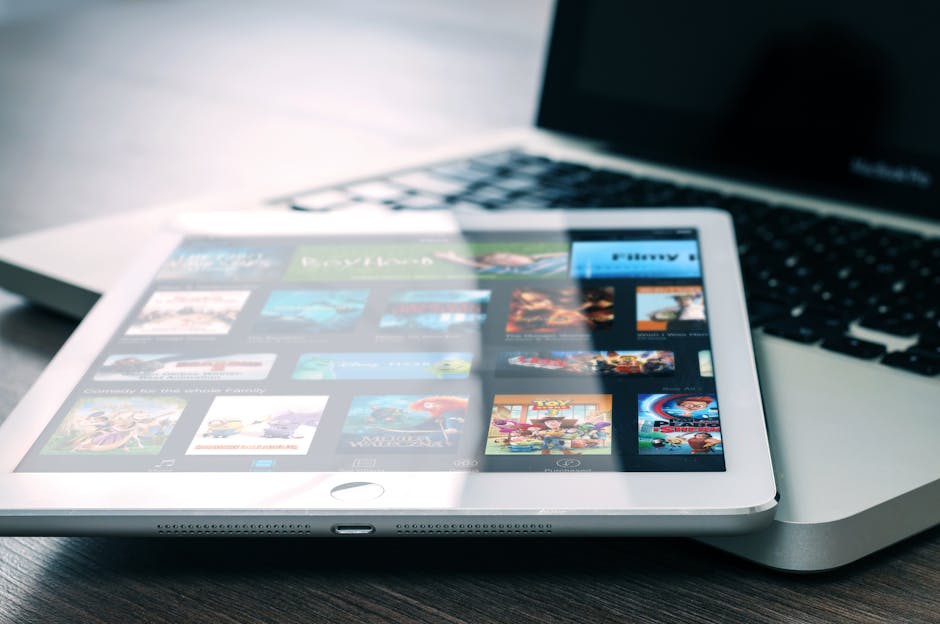
The streaming revolution, once hailed as the savior of affordable entertainment, seems to have reached a cynical turning point. As we kick off 2026, streaming service subscribers are waking up to a price hike hangover. Netflix, Disney Plus, Amazon Prime Video, and their ilk have decided to raise their prices, turning what was once an economical alternative to cable TV into a financial burden for many.
Take Netflix, for example. The streaming giant has bumped its standard plan to $17.99. According to The Verge, "Netflix has won the streaming war, and we're all going to pay the price." This quote perfectly sums up the current situation: after luring millions of subscribers with competitive prices and a plethora of offerings, Netflix and its competitors now seem eager to cash in on their victory.
But why these sudden increases? The official line is the need to fund quality content and offset revenue losses from declining traditional cable subscriptions. In other words, companies are looking to boost profitability after years of growth focused on acquiring new subscribers. However, this explanation masks a more complex and less flattering reality.
Read more: breaking analysis transformingIn truth, these price hikes reveal an industry that has hit a plateau in subscriber growth. Read more: breaking analysis government With market saturation, streaming services must find new ways to generate revenue. And what could be simpler than charging existing customers more? It's a classic tech industry strategy: attract with low prices, then gradually hike rates once the market is captive.
Amazon Prime Video, for instance, has nearly doubled the price of its ad-free 4K streaming service. This decision, while shocking, is not surprising. Amazon, like its peers, has invested heavily in creating original content to stand out. But these investments need to be recouped, and who else but the consumer to bear the cost?
Other services are following the same path. Disney Plus, HBO Max, and Paramount Plus have all announced similar increases. Even smaller platforms like Peacock and Apple TV Plus aren't escaping this trend, with respective hikes of $3 and a new rate of $12.99. Fubo, meanwhile, now offers its cheapest plan at $85, a price that would make any former cable subscriber blush.
This situation raises a crucial question: who really benefits from this price war? Certainly not the consumers, who find themselves juggling multiple subscriptions to access all their favorite content. In the end, it's the big companies that come out on top, consolidating their grip on the market while maximizing their profits.
It's also important to note that this dynamic could have long-term consequences for the entertainment industry itself. As prices rise, consumers might become more selective about which services they subscribe to, potentially leading to increased market fragmentation. Smaller platforms, unable to compete with the giants in terms of production budgets, could be the first casualties of this shift.
In conclusion, the price hikes of streaming services in 2026 are not just about profitability for companies. They reflect a deeper transformation of the entertainment industry, where the quest for profits takes precedence over accessibility and content diversity. For consumers, this means it's time to reconsider the real value of these subscriptions and ask whether it's really worth it. After all, in this streaming war, it's the viewers who stand to lose the most.
Frequently Asked Questions
Q: Why are streaming services raising their prices in 2026?
Streaming services like Netflix, Disney Plus, and Amazon Prime Video are raising their prices to fund quality content and offset revenue losses from declining traditional cable subscriptions. This strategy comes as these companies face market saturation and seek new ways to generate revenue.
Q: How much has Netflix increased its subscription price?
Netflix has increased its standard plan to $17.99. This price hike reflects the company's shift from competitive pricing aimed at attracting subscribers to a focus on profitability after achieving significant market penetration.
Q: What are the implications of the streaming price hikes for consumers?
The price hikes are turning streaming services, once seen as affordable alternatives to cable TV, into financial burdens for many consumers. As companies prioritize recouping investments in original content, existing customers may find themselves paying more for the same services.