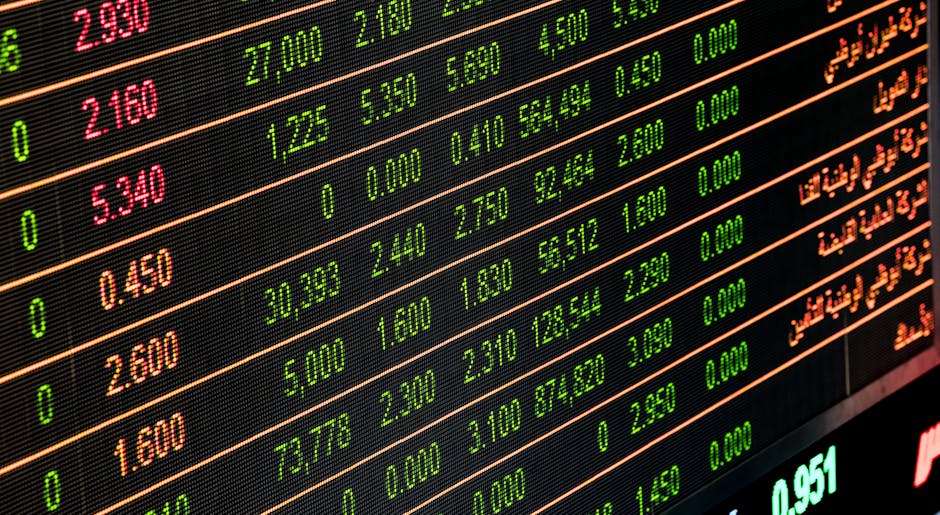
It's 11:53 AM in Abu Dhabi, and the ADX is the only major market open right now. While Europe still sleeps — London opens in 7 minutes, Paris and Frankfurt in an hour — the United Arab Emirates are already trading the energy contracts that will determine tomorrow's European prices. This time asymmetry isn't trivial: it perfectly illustrates who holds the cards in the new global energy game.
Behind the displayed optimism of analysts who, according to CNBC and the BBC, assure that "Europe can avoid a major supply crisis like in 2022," lies a less flattering truth. Europe hasn't gained energy independence since the war in Ukraine. It has simply changed dealers.
The Great Diversification Illusion
Read more: algeria wins germanyEuropean markets will close in a few hours with, probably, rising energy prices following Iranian tensions. Read more: iran plays fire But unlike 2022, no widespread panic. Analysts are right on one point: Europe has learned. It has built up stocks, diversified its supplies, accelerated renewables. On paper, it's reassuring.
In reality, it's more complex. European "diversification" has translated into a dependency transfer: less Russian gas, more American and Qatari LNG. Less Ural crude, more oil from the Emirates and Saudi Arabia. The problem? These new suppliers are neither more politically stable nor less likely to use energy as a geopolitical weapon.
When tensions rise in the Middle East — as currently with Iran — Europe discovers it has simply exchanged one geopolitical risk for another. Worse: it now pays more for its hydrocarbons, with long-term contracts that bind it to regimes just as unpredictable as the one it fled.
The Real Winners of European "Resilience"
While Tokyo sleeps (opening in 16 hours) and Shanghai won't reopen until tomorrow morning, let's look at who really benefits from this new European energy deal.
First beneficiary: the United States. Their LNG exports to Europe have exploded since 2022. American companies are selling their liquefied gas at gold prices to Europeans who no longer have a choice. Chevron, ExxonMobil and company are rubbing their hands: they've found a captive market, ready to pay top dollar for its "energy security."
Second winner: Gulf monarchies. Saudi Arabia and the Emirates have replaced Russia as Europe's oil suppliers. Result? Petrodollars continue flowing to authoritarian regimes, but this time with Brussels' moral blessing. Europe has simply changed energy autocrats.
Third beneficiary, less visible: traders and financial intermediaries. The complexification of European energy supply chains has created new markets, new financial instruments, new speculation opportunities. Each "diversification" generates commissions, each new contract enriches intermediaries.
The Strategic Reserves Scam
Analysts often cite European energy stocks as proof of resilience. True, Europe has built reserves. But at what price? And especially, for how long?
These stocks were built by buying massively on spot markets when prices were at their highest, in 2022 and 2023. Europe therefore paid top dollar for its strategic reserves, simultaneously crushing its citizens' purchasing power via astronomical energy bills. A form of disguised taxation to finance "energy security."
More problematic: these stocks represent only a few months of consumption. In case of prolonged crisis — like the one that could be triggered by escalation with Iran — they would only delay the deadline. Europe bought time, not independence.
The Energy Transition Trap
Paradoxically, the 2022 crisis accelerated European investments in renewables. Wind turbines, solar panels, heat pumps: Europe is going green at breakneck speed. But this transition hides a new dependency trap.
European green technologies depend massively on raw materials controlled by China: lithium, rare earths, photovoltaic components. Europe is replacing its dependence on Russian hydrocarbons with dependence on Chinese metals. When Shanghai reopens tomorrow morning, the prices of these raw materials will determine the real cost of European energy transition.
The Real Lesson of 2022
As European markets prepare to open in a few hours with Iranian tensions as backdrop, the real lesson of 2022 isn't the one optimistic analysts want to see.
Europe hasn't learned to be energy independent. It has learned to be dependent more intelligently. It has diversified its risks without eliminating them, multiplied its suppliers without reducing its fundamental vulnerability.
The current Iranian crisis proves it: as soon as a major hydrocarbon producer coughs, Europe still trembles. Its strategic stocks and diversified contracts are only shock absorbers, not solutions.
True European energy independence would require massive investments in renewables AND storage capacities, energy reindustrialization, assumed sobriety. In short, political choices that nobody dares make.
Meanwhile, Europe continues playing energy roulette. It has simply changed casinos.
Frequently Asked Questions
Q: Why is Europe facing energy challenges despite diversifying its sources?
Europe has diversified its energy supplies, moving away from Russian gas to American and Qatari LNG, as well as oil from the Emirates and Saudi Arabia. However, this shift has not led to true energy independence; instead, it has created a dependency on new suppliers that are equally politically unstable.
Q: How has the war in Ukraine affected Europe's energy strategy?
The war in Ukraine prompted Europe to change its energy suppliers rather than achieve independence. While Europe has built up stocks and accelerated renewable energy efforts, it now faces similar geopolitical risks with its new suppliers.
Q: What are the implications of rising energy prices for Europe?
Rising energy prices in Europe are influenced by geopolitical tensions, such as those involving Iran. As Europe pays more for hydrocarbons under long-term contracts, it finds itself tied to regimes that may be just as unpredictable as those it previously relied on.