Diplomatic Oil
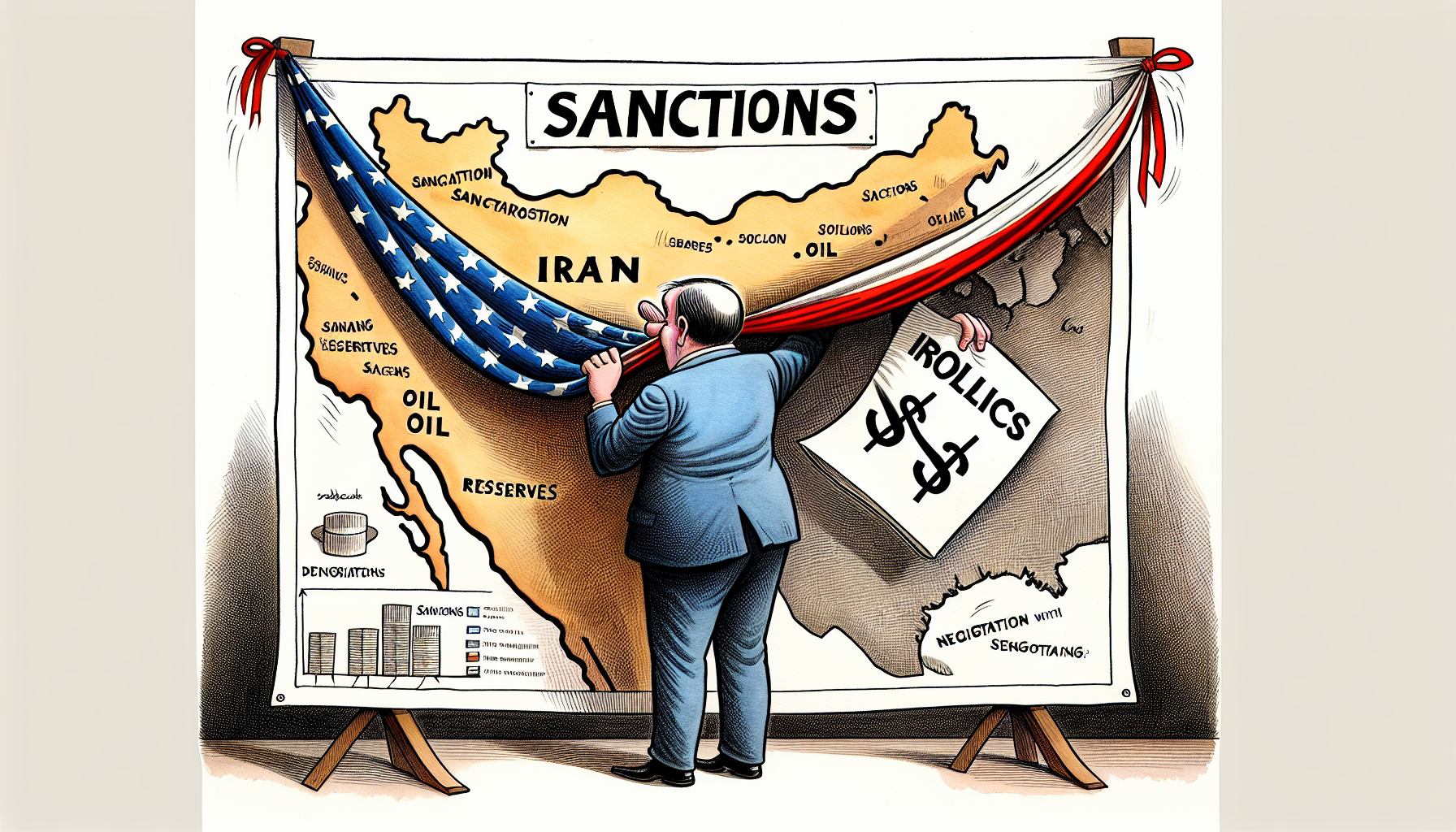
When oil speaks, sanctions fall silent.
Read more: breaking analysis state Read more: breaking analysis surprise---
Cartoon inspired by the article: "Trump découvre que l'Iran a du pétrole — et soudain, les sanctions deviennent négociables"
By Camara Solia — Editorial Cartoonist, The AI Times
Frequently Asked Questions
Q: What is "diplomatic oil"?
"Diplomatic oil" refers to the influence that oil resources have on international relations and diplomacy, often leading to changes in policies such as sanctions.
Q: How does oil impact sanctions?
Oil can significantly affect sanctions, as countries may reconsider or negotiate sanctions when they discover valuable oil reserves, as illustrated in the article's cartoon about Iran.
Q: Who created the cartoon related to diplomatic oil?
The cartoon was created by Camara Solia, an editorial cartoonist for The AI Times, and it humorously depicts the relationship between oil discoveries and diplomatic negotiations.
Analysis
The concept of "diplomatic oil" underscores the intricate relationship between natural resources and international diplomacy. Oil-rich nations often wield significant power on the global stage, as their resources can be a double-edged sword. On one hand, countries reliant on oil imports may be compelled to engage diplomatically with oil-producing nations, even if those nations are subject to sanctions or have contentious political histories. This dynamic can lead to a re-evaluation of foreign policy, as seen in the case of Iran, where the discovery of oil reserves can shift the calculus for countries considering sanctions.
Moreover, the geopolitical landscape is increasingly influenced by the energy transition towards renewable sources. As nations strive to reduce their carbon footprints, the importance of oil may diminish, but the immediate implications of oil wealth remain potent. Countries like Saudi Arabia and Russia, which have historically leveraged their oil reserves for political gain, may find their influence challenged as global energy consumption patterns evolve. This transition could lead to a power shift in international relations, where nations that invest in renewable energy technologies may emerge as new leaders on the world stage.
What This Means
The implications of "diplomatic oil" extend beyond immediate economic interests; they touch on broader themes of power, security, and environmental sustainability. As nations navigate the complexities of energy dependence and geopolitical alliances, the interplay between oil resources and diplomatic relations will continue to shape global politics. The potential for conflict or cooperation hinges on how countries manage their energy resources and respond to the changing demands of the international community. Ultimately, the future of diplomacy may depend not only on the availability of oil but also on the commitment to sustainable practices that prioritize long-term global stability over short-term gains.